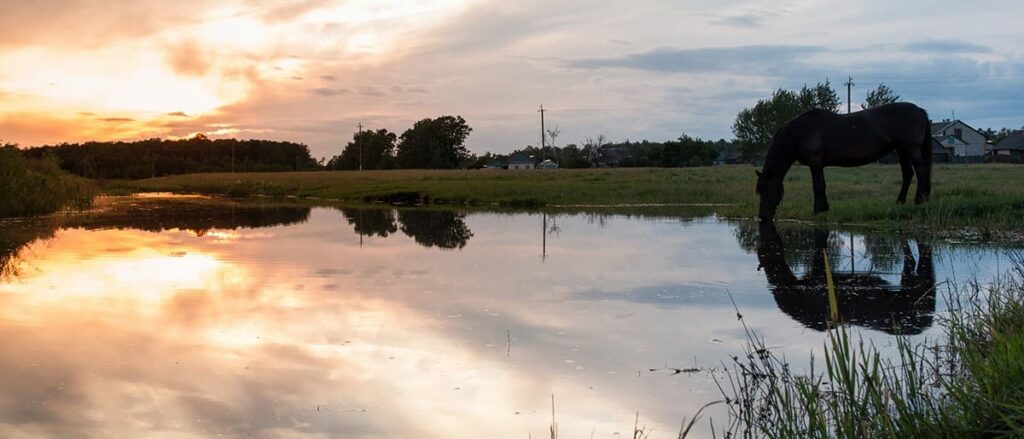
Termed Equine Neorickettsiosis in veterinary medicine, Potomac Horse Fever is a serious equine illness that can lead to fever, loss of appetite, diarrhea and even death. Horses grazing near freshwater sources or on irrigated pastures are most susceptible to contracting this bacterial infection.
What is your mental image of a normal horse? For the serious equestrian it may include a BCS of 4.5, a well-muscled topline, a sleek hair coat, well-groomed mane and tail, clipped face, ears and legs, sparkling white chrome and deep, lustrous color.
Humans are a pretty predictable bunch; unless you live in someplace like Iceland or Alaska, most of us sleep when the sun goes down, and get up to work or play when the sun is shining. Most of our eating and drinking is done during that time too; after all, we’re awake — so why not?
Gastric ulcers are a serious problem for horses. Despite a plethora of research and increasing understanding of this condition among academics and practitioners, as well as trainers and owners, we don’t seem to be making much headway in getting our horses healthier.
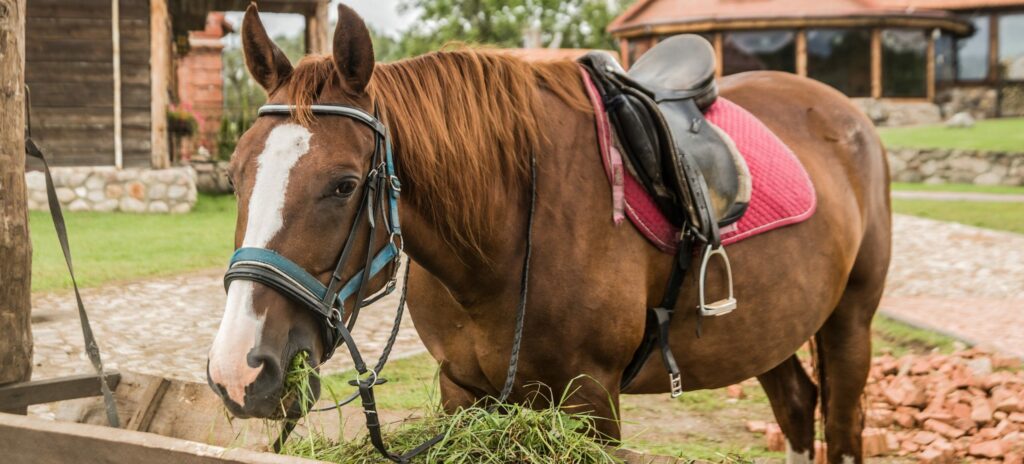
This barn-aisle debate, whether or not to allow horses to eat before riding, rages on, often with little consensus. Perhaps you’ve been told not to feed a horse within 30 minutes to an hour before or after riding.
I am sad to report that Dr. Frank Pellegrini passed away on December 22, 2016. Franklin Louis Pellegrini, DVM was a remarkable equine veterinarian, a true genius without whom SUCCEED likely would not exist today.