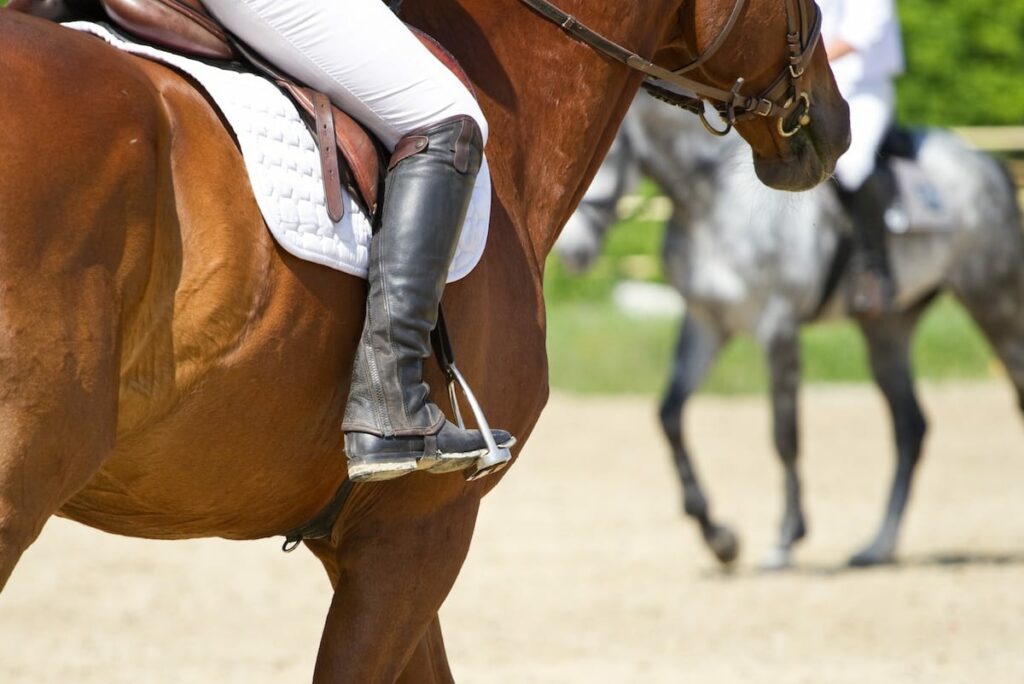
This article provides an introductory look at the field of scientific research and education known as “equitation science.” It introduces equitation science and how it relates to and informs a better understanding of digestive health for horses in work.
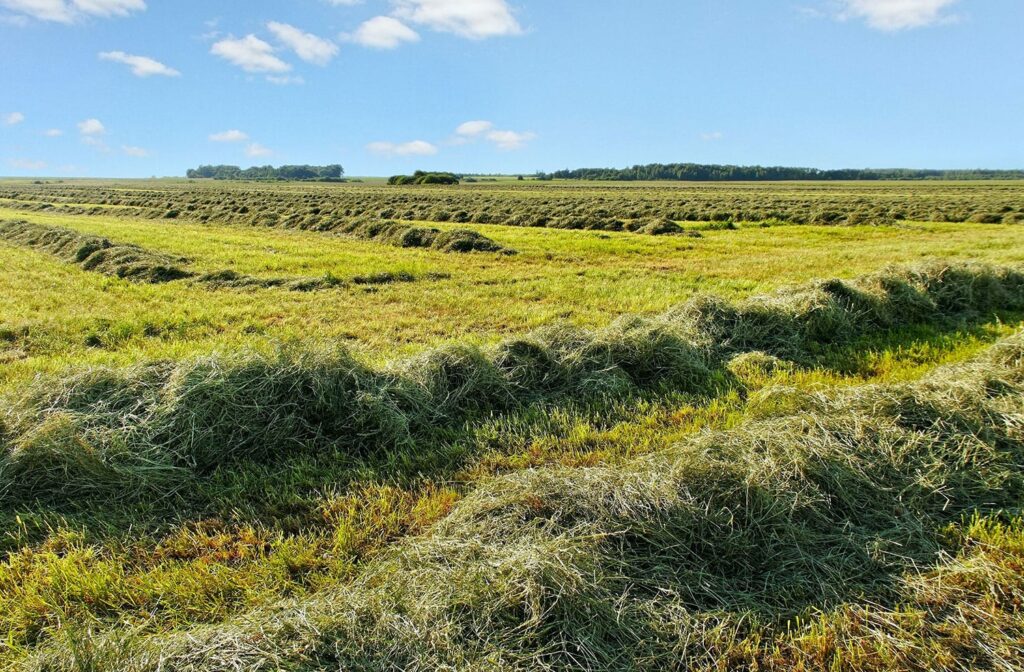
Tired of paying more for second cutting hay than your livestock neighbors pay for supposedly “lower quality” hay from first or third cuttings? Then we have good news for you.
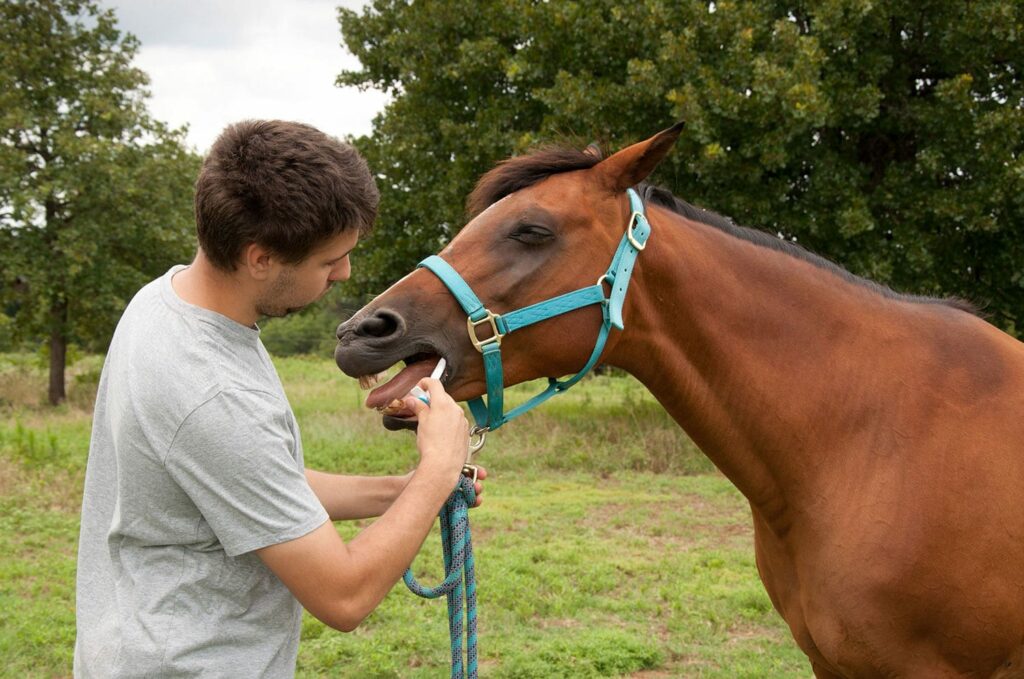
For a variety of reasons, we’re still losing the battle against parasites. The worms we’re targeting have changed, for one thing. Certain parasites have built up resistance, for another. And we have been treating horses by the herd, rather than taking an individualized approach to parasite control.
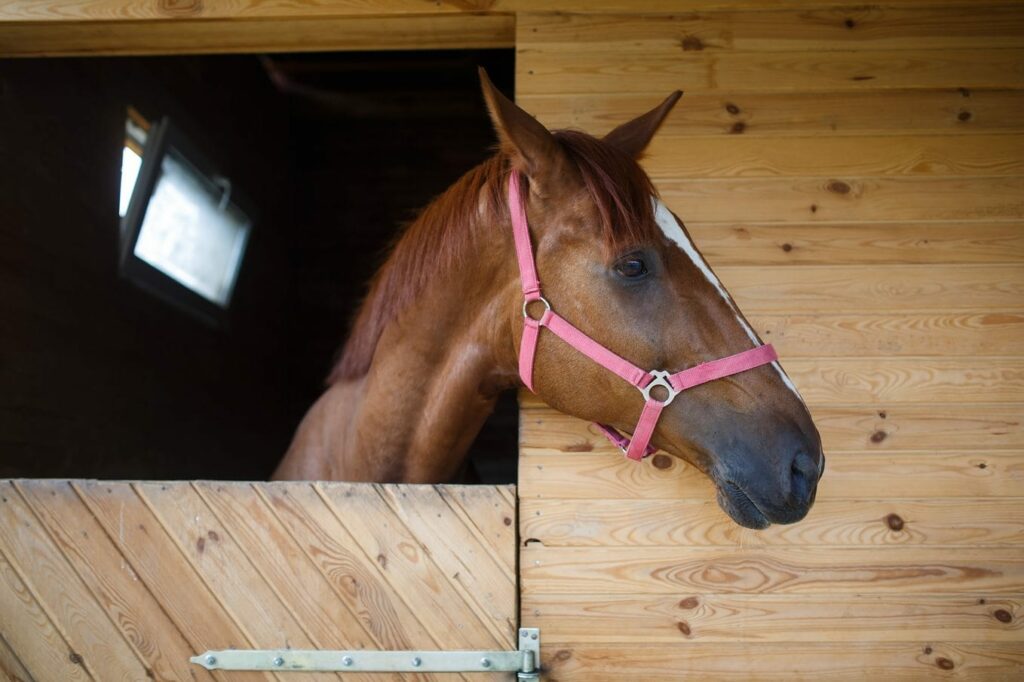
We’ve all seen horses that we would label easily “stressed out.” We see them sweating when it’s not hot or they haven’t exerted themselves, behaving aggressively, or jigging and whirling around their handlers. Sometimes we see abrupt changes in behavior after a move to a new barn or when traveling to a new place.
Ever had a friend offer to punch you in the arm to take your mind off of pain elsewhere in your body? Your buddy might be truly trying to help (and if you’re enduring something truly horrible, such as digging out the grit that’s buried below your skin after a fall, it might actually work to distract you) — but you’d probably reject his offer, right?